Iceland Travel Guide: Volcanoes, Vikings, and a Very Good Reason to Go
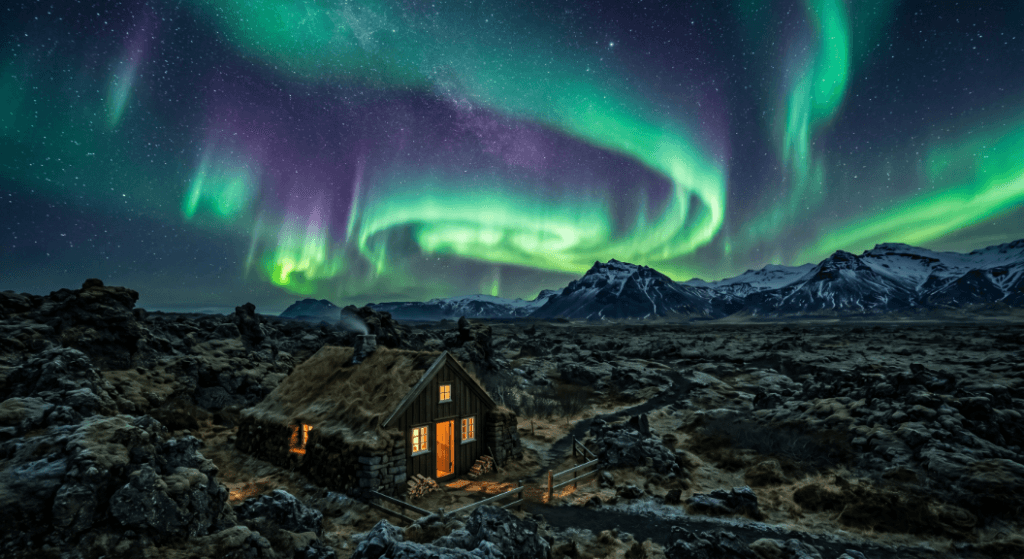
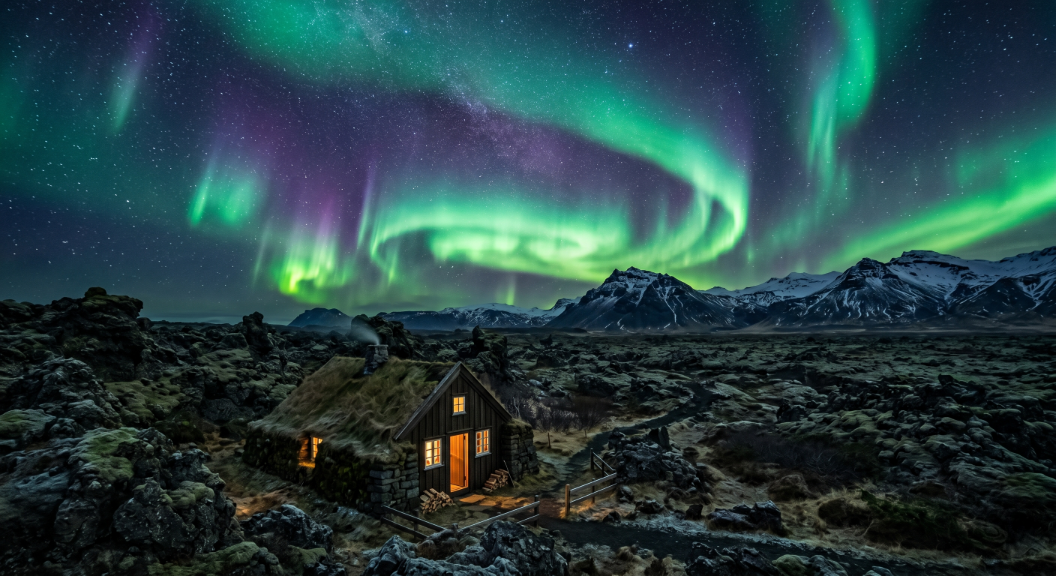
Iceland travel has been on my radar for years. I kept putting it off, telling myself it was too cold, too remote, too expensive. Then Tina started leaving browser tabs open on the shared laptop, which is her version of a formal proposal. If you’ve ever wondered whether Iceland is worth the hype, the short answer is yes. The longer answer involves volcanoes, geothermal pools, landscapes that look like someone forgot to finish building the planet, and — if you pick your moment right — the northern lights dancing overhead while you stand in a field wondering what you did to deserve this.
Why Iceland Keeps Pulling People Back
Iceland sits just below the Arctic Circle, straddling the North American and Eurasian tectonic plates. That geological drama plays out in real time: geysers erupt on schedule, lava fields stretch to the horizon, and the ground occasionally reminds you it’s alive. It’s not a relaxing destination in the traditional sense. It’s more like the planet showing off. Tina would say that’s exactly the point. I’d say it’s a good excuse to earn a beer at the end of the day.
The country is small, about the size of Newfoundland (minus Labrador), with a population of roughly 370,000 people. Reykjavik, the capital, is home to about two-thirds of them. The rest of the island is largely empty, which sounds bleak until you’re standing on a black sand beach with no one else in sight and the Atlantic crashing in front of you. Then it sounds perfect.
When to Go — and Why the Answer Isn’t Simple
Iceland is genuinely a year-round destination, which is unusual. Summer, roughly June through August, brings the midnight sun. The sky never fully darkens, which is either magical or deeply unsettling depending on your relationship with sleep. Tina is firmly in the magical camp. I’d want blackout curtains. Temperatures hover around 10 to 15 degrees Celsius, which Canadians will recognize as a perfectly reasonable summer.
Winter, November through March, is the season for northern lights. The trade-off is short days, cold temperatures, and the possibility of roads closing due to weather. The rewards, though, are real. The aurora borealis over a snow-covered lava field is the kind of thing that makes you put your phone away and just look. If you’re travelling as a couple, winter might actually be the better call. Fewer crowds, lower prices, and a shared sense of adventure that’s hard to manufacture elsewhere.
The Ring Road: Iceland’s Greatest Road Trip
Route 1, known as the Ring Road, circles the entire island at about 1,332 kilometres. Most travellers do it in seven to ten days, stopping at waterfalls, glaciers, fishing villages, and volcanic craters along the way. Tina would have us stopping every twenty minutes for photos. I’ve made peace with this. The scenery genuinely earns it.
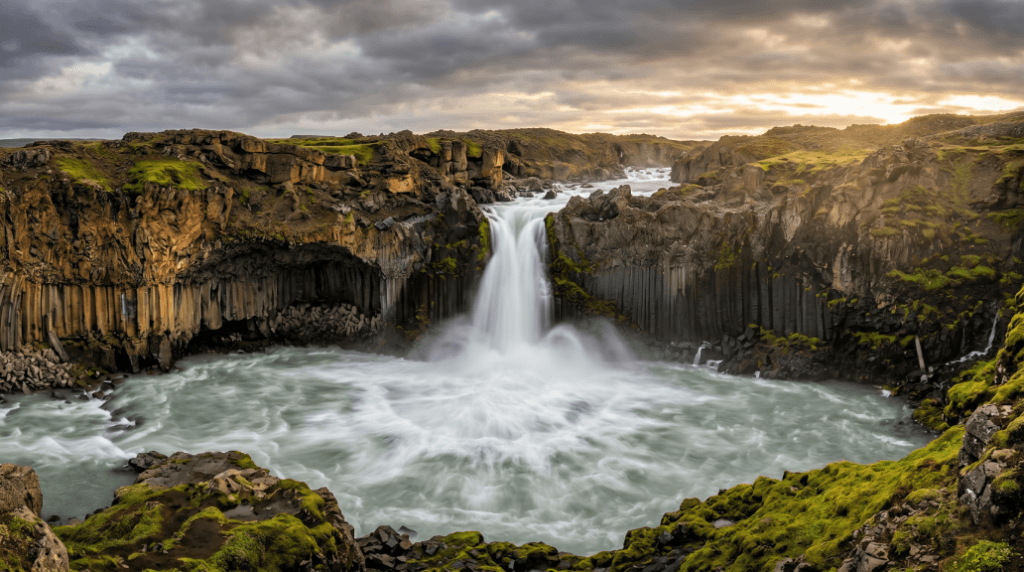
The south coast alone justifies the trip: Seljalandsfoss waterfall, where you can walk behind the curtain of water; Skógafoss, which drops 60 metres and produces its own rainbow on sunny days; and the black sand beach at Reynisfjara, with its basalt columns and aggressive surf. The north offers Akureyri, Iceland’s second city, and the whale-watching capital of Húsavík. The east is quieter, with fjords and small towns that feel genuinely untouched. Every stretch of road offers something different, which is the best thing you can say about any road trip.
Getting In and Getting Around
Keflavik International Airport is about 50 kilometres from Reykjavik and receives direct flights from North America, the UK, and Europe. Icelandair is the main carrier, and they’ve long offered a stopover program that lets you spend up to seven days in Iceland on your way to or from Europe at no extra airfare cost. That’s a genuinely good deal and worth looking into if you’re already crossing the Atlantic.
Renting a car is essentially mandatory outside Reykjavik. Public transport exists but won’t get you to the places worth going. A 4×4 is worth the extra cost if you plan to leave the Ring Road for the highland F-roads, which are unpaved and only open in summer. Tina has already researched this. She’s also researched which rental companies have the best roadside assistance coverage. I married well.
For more on planning a big international road trip, our post on driving the “Coastal Highway in Belize covers some of the same principles: good car, no rush, and someone in the passenger seat who knows how to read a map.
Where to Stay Without Going Broke
Iceland has a reputation for being expensive, and that reputation is earned. A mid-range hotel in Reykjavik runs roughly $200 to $350 CAD per night. Outside the capital, guesthouses and farm stays bring costs down considerably and often provide a more authentic experience. Tina is drawn to the farm stays. I’m drawn to anything with a hot tub, which in Iceland is not a luxury ask — geothermal hot tubs are practically standard issue.
Camping is popular in summer and significantly cheaper, with a network of designated campsites around the island. It’s not for everyone, but if you’re comfortable in a tent and willing to deal with the midnight sun, you’ll spend more time outside and less money on accommodation. There are also guesthouses that offer sleeping bag accommodation, which is a step up from camping and a step down from a hotel room in terms of both cost and comfort.
One Thing You Have to Do: Soak in a Geothermal Pool
The Blue Lagoon gets all the attention, and it deserves some of it. It’s genuinely beautiful, set in a lava field with milky blue water and a spa attached. It’s also expensive and requires advance booking. But here’s what the travel brochures sometimes skip: Iceland has dozens of geothermal pools, including public pools in nearly every town. The locals use them the way Canadians use coffee shops, as a place to meet, decompress, and talk about nothing in particular.
The Mývatn Nature Baths in the north are a quieter, less commercial alternative to the Blue Lagoon, set against a volcanic landscape that feels genuinely otherworldly. Tina has already booked it. I have no objections. Sitting in warm water while cold air moves overhead, looking out at a landscape that exists nowhere else on earth, is exactly the kind of activity that justifies a long flight. It’s my one recommended activity for anyone visiting Iceland, and I’ll stand by that.

A Pint Worth Finding in Reykjavik
Iceland had a full prohibition on beer until 1989. That’s not a typo. Beer was banned for 74 years while wine and spirits remained legal, which is a policy decision I’d love to understand the logic behind. Since the ban lifted, the country has developed a legitimate craft beer scene, centred largely in Reykjavik.
Kaldi Bar on Laugavegur, Reykjavik’s main street, is a solid recommendation. It’s run by the Ölvisholt Brewery and pours a rotating selection of Icelandic craft beers in a relaxed, no-nonsense setting. It’s the kind of place where you sit down, order something local, and end up staying longer than planned. The missus approves of the atmosphere. I approve of the beer list. That’s a successful evening by any standard. You can find them at Kaldi Bar Reykjavik.

What Iceland Actually Costs (Honest Numbers)
Budget roughly $250 to $400 CAD per person per day for a comfortable mid-range trip, including accommodation, food, a rental car, and activities. That sounds steep, but Iceland is not a destination you visit on the cheap and enjoy fully. Groceries from a supermarket cost significantly less than restaurants, and self-catering for some meals makes a real difference. Bonus Pass and City Card programs in Reykjavik can reduce entry costs if you’re planning to hit multiple attractions.
For help with the actual booking side of things, Boarding Pass Travel is worth a conversation. They handle the details that make the difference between a trip that works and one that doesn’t. You can reach them at boardingpasstravel.com.
The Practical Stuff Tina Made Me Include
Currency is the Icelandic Króna (ISK). Cards are accepted almost everywhere, so you rarely need cash. The official language is Icelandic, but English is widely spoken. Tipping is not customary, which is a genuine relief. The tap water is among the cleanest in the world, straight from glacial springs, so skip the bottled water entirely.
Weather changes fast. Pack layers, a waterproof outer shell, and good walking shoes regardless of season. The Visit Iceland website has reliable, up-to-date information on road conditions, weather, and seasonal events. Tina bookmarked it months ago. I’m just catching up.
For another destination that rewards the traveller willing to do a bit of homework, our post on picturesque Portugal covers a similarly dramatic North Atlantic landscape. And if you’re drawn to places where the outdoors does the heavy lifting, our post on gleaming Galicia is worth a read before you go.
Go. Seriously.
Iceland is the kind of place that earns its reputation without trying too hard. The landscapes are real, the people are straightforward, and the experience stays with you. Tina has been talking about it for two years. I’ve been researching it for six months. At some point, the research has to end and the trip has to start.
If you’ve been sitting on the fence about Iceland, consider this your nudge. Book the flight, rent the 4×4, pack the rain jacket, and find a geothermal pool to sit in on the first evening. Then find a bar that pours something local. The rest will sort itself out.
Safe travels, and may your pint always be cold and your lava fields always be dormant.

Cheers!